"Byzantine Rituals" Won't Stop Elon Musk
Tesla embodies Elon Musk's vision of achieving the impossible against all odds. His ventures, from Tesla to SpaceX to his acquisition of Twitter, were initially ridiculed and criticized, but each ultimately triumphed.
Disclosure: The author holds no beneficial long or short position in Tesla, Inc. (NASDAQ: TSLA). This article is provided for informational and entertainment purposes only and does not constitute financial advice. The views expressed here represent the author’s personal opinion. The author receives no compensation for this article and has no business relationship with the company mentioned. Please see the full "Legal Information and Disclosures" section below.
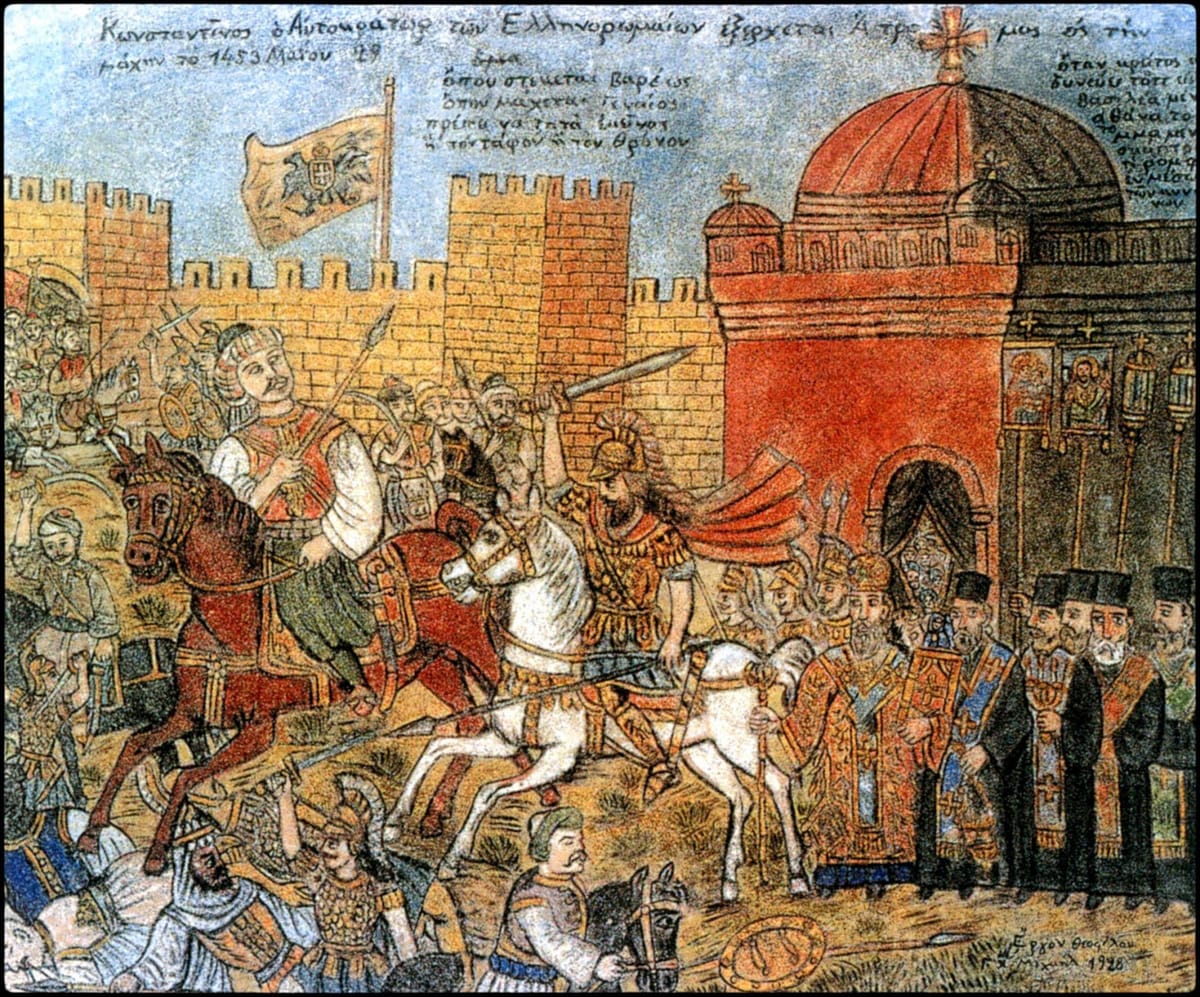
Legend has it that the Byzantine elite in besieged Constantinople, even shortly before the city fell, preferred to engage in elaborate rituals and processions rather than focus on defending their home city. When Elon Musk had long since proved all doubters wrong by scaling up car production capacity by orders of magnitude in just a few years, the German auto industry still almost ritualistically sought distraction by complaining, for example, about Tesla's panel gaps - a symbol of traditional auto manufacturing values - instead of addressing its own lack of innovation. As if a few inconsistent panel gaps in electric cars could stop the decline of the internal combustion engine.
Since Tesla's meteoric rise, German premium car brands have been threatened because Tesla, like them, sells cars that are more than just a means of transportation. For decades, a Mercedes, BMW or Audi, with their classic and sporty designs and powerful engines, symbolized status and privilege. At first, Tesla somehow followed the design language of its German competitors, proving that an electric car could evoke the same emotions as a BMW.
With the announcement of the Cybertruck in 2019, Tesla has finally taken a bold new direction, unveiling an avant-garde design that sets it apart from its foreign competitors. The Cybertruck reimagines the pickup truck, a quintessentially American vehicle known for its ruggedness and utility. With its cutting-edge design, the Cybertruck is a car for YUPPIES and farmers alike, a bridge between city and country — a new unity of the American automobile nation. Though a premium car, the Cybertruck doesn't symbolize outdated privilege, but rather cutting-edge technology and innovation, sharing its sleek, steely exterior with the Starship, the 400-foot rocket that can carry up to 150 tons of payload into space and land back in its launch position.
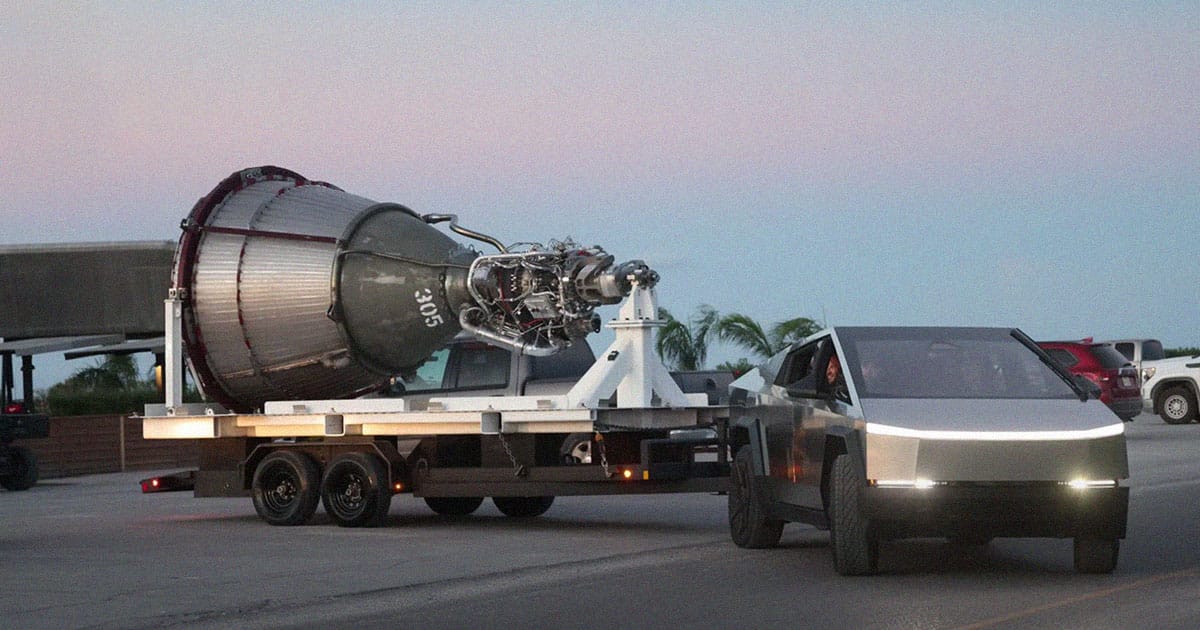
A car like the Cybertruck should not be seen in isolation; it is part of the vision that Elon Musk's entire empire stands for: making the impossible possible against all odds, reshaping the future of humanity. Each of his ventures, from Tesla to SpaceX to his acquisition of Twitter, was initially ridiculed and not taken seriously, but each of these ventures ultimately resulted in triumph. On August 8, 2024, Tesla plans to unveil the Robotaxi. Perhaps we already know the script: it will be ridiculed and mocked until it completely disrupts transportation as we know it. By the time humans read about Tesla's latest quarterly terrestrial vehicle deliveries on X in a Robotaxi on Mars, it will be understood that Elon Musk's empire is more than the sum of its parts in the Aristotelian sense.
Follow me on X for frequent updates (@chaotropy).
Legal Information and Disclosures
General Disclaimer & No Financial Advice: The content of this article is for informational, educational, and entertainment purposes only. It represents the personal opinions of the author as of the date of publication and may change without notice. The author is not a registered investment advisor or financial analyst. This content is not intended to be, and shall not be construed as, financial, legal, tax, or investment advice. It does not constitute a personal recommendation or an assessment of suitability for any specific investor. Readers should conduct their own independent due diligence and consult with a certified financial professional before making any investment decisions.
Accuracy and Third-Party Data: Economic trends, technological specifications, and performance metrics referenced in this article are sourced from independent third parties. While the author believes these sources to be reliable, the completeness, timeliness, or correctness of this data cannot be guaranteed. The author assumes no liability for errors, omissions, or the results obtained from the use of this information.
Disclosure of Interest: The author holds no beneficial long or short position in the securities of Tesla, Inc. (NASDAQ: TSLA). The author reserves the right to buy or sell these securities at any time without further notice. The author receives no direct compensation for the production of this content and maintains no business relationship with the companies mentioned.
Forward-Looking Statements & Risk: This article contains forward-looking statements regarding product adoption, technological trends, and market potential. These statements are predictions based on current expectations and are subject to significant risks and uncertainties. Investing in technology and growth stocks is speculative, subject to rapid change and competition, and involves a risk of loss. Past performance is not indicative of future results.
Copyright: All content is the property of the author. This article may not be copied, reproduced, or published, in whole or in part, without the author's prior written consent.